

Sustainable Ash Management
Dhariwal Infrastructure Limited (DIL) is committed to responsible solid waste management by maximizing the beneficial utilization of ash generated during power generation. The Company follows sustainable waste management practices that minimize environmental impact, promote resource conservation, and support the principles of a circular economy.
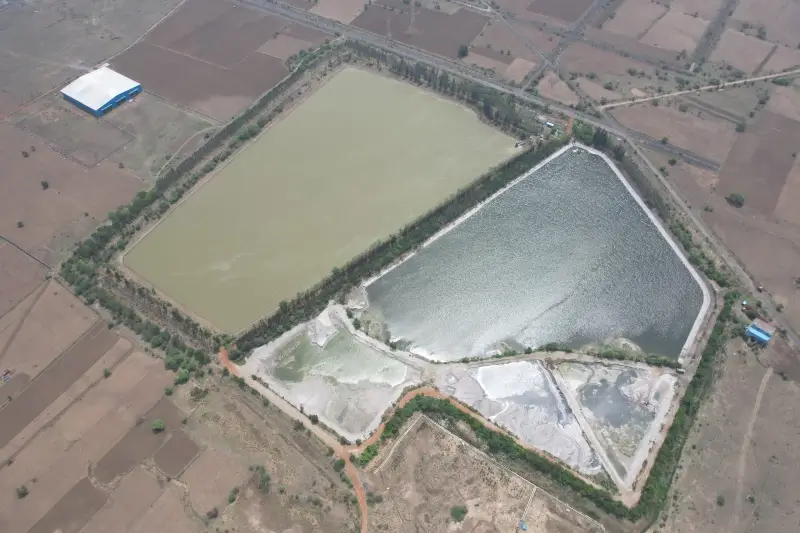
Thermal power plants generate two primary types of ash—Fly Ash and Bottom Ash. Fly ash is widely utilized in the manufacture of cement, ready-mix concrete, bricks, blocks, road construction, mine filling, and other infrastructure applications, reducing the consumption of natural resources and supporting sustainable development.
Recognizing the need for sustainable utilization of bottom ash, DIL has developed and patented an innovative process for using Bottom Ash as a replacement for natural sand in construction applications. This patented technology promotes the productive use of bottom ash, conserves natural river sand, reduces landfill requirements, and contributes to environmentally responsible construction practices.
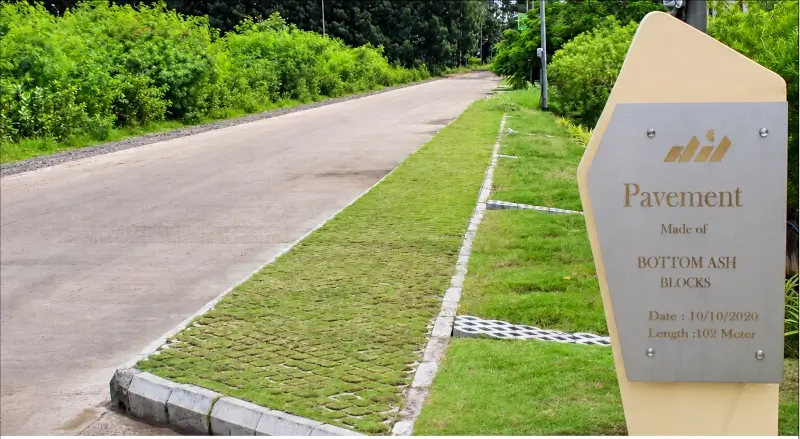
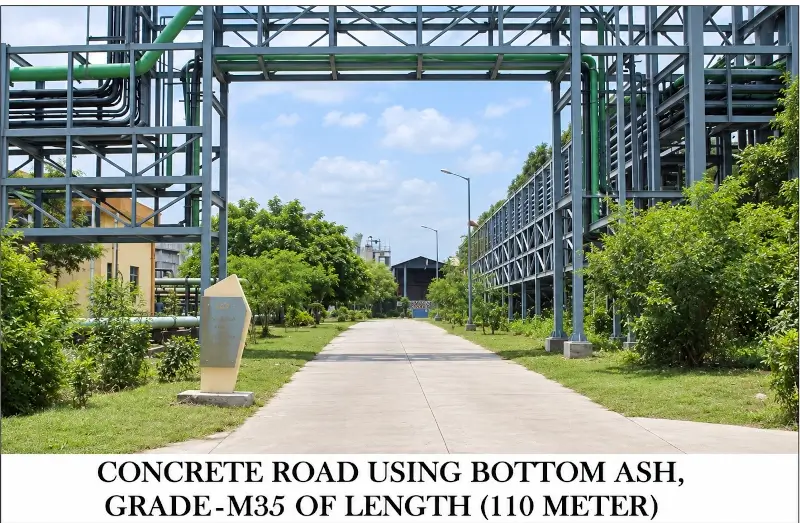
DIL continues to explore innovative solutions and collaborate with stakeholders to enhance ash utilization, improve resource efficiency, and achieve sustainable waste management in line with its Environmental, Social and Governance (ESG) commitments.