

Dhariwal Infrastructure Limited (DIL) is committed to conserving biodiversity and protecting the natural environment surrounding its operations. Recognizing the importance of healthy ecosystems, the Company integrates biodiversity conservation into its environmental management practices by promoting ecological balance, preserving natural habitats, and minimizing the environmental impact of its activities.
Our Biodiversity Initiatives
Green Belt Development
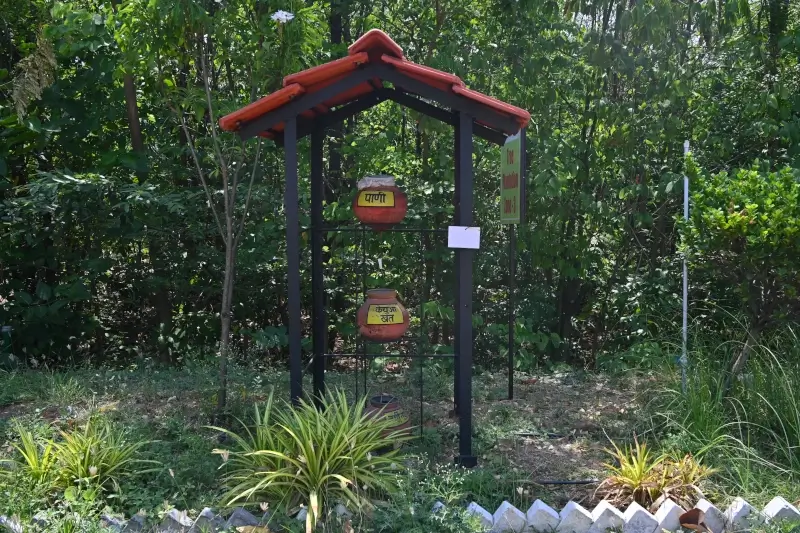
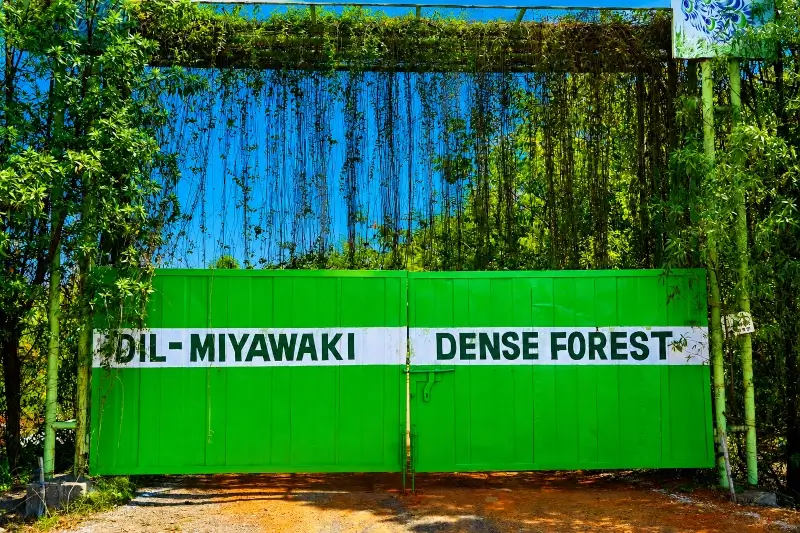
DIL has developed and continues to maintain extensive green belts within and around the plant premises. Plantation of native and regionally suitable species helps improve air quality, supports local biodiversity, enhances the landscape, and contributes to ecological resilience.
Habitat Protection
The Company undertakes its operations with due consideration for the protection of local flora and fauna. Operational activities are planned and executed to minimize disturbance to surrounding ecosystems and preserve ecological integrity.
Sustainable Land Management
DIL promotes sustainable land management through afforestation, landscape development, soil conservation, and erosion control measures. These initiatives help restore and maintain the ecological value of the project area while supporting long-term environmental sustainability.
Pollution Prevention
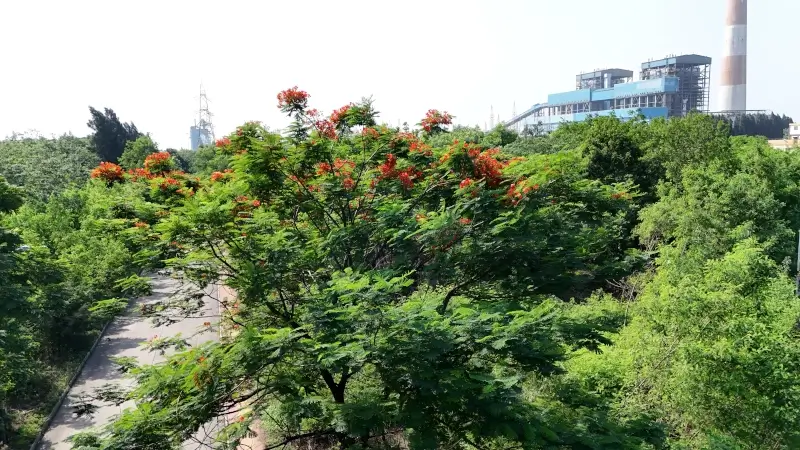
The Company employs advanced environmental management practices and emission control systems to minimize air emissions, dust, and other environmental impacts, thereby protecting surrounding ecosystems and maintaining environmental quality.
Ecological Monitoring
Regular environmental monitoring and assessments are carried out to evaluate ecological conditions, measure the effectiveness of conservation initiatives, and identify opportunities for continual improvement in biodiversity management.
Employee and Community Engagement
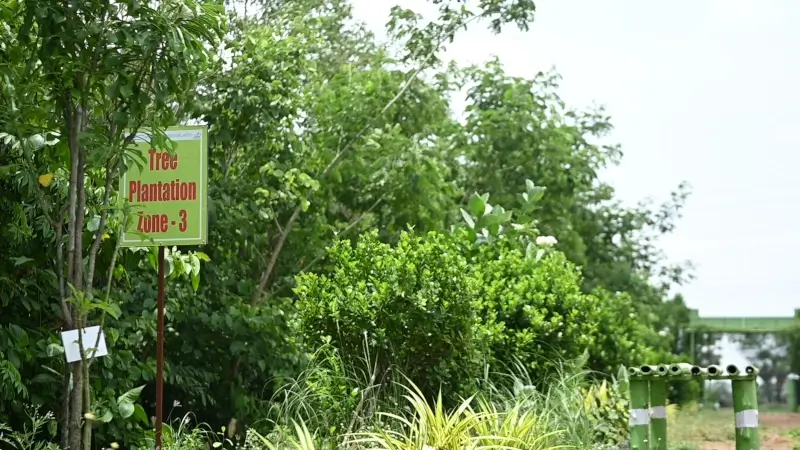
DIL actively promotes environmental awareness among employees and local communities through tree plantation drives, green initiatives, and awareness programmes that encourage participation in biodiversity conservation and environmental protection.
Our Commitment
Biodiversity conservation is an integral part of DIL's Environmental, Social and Governance (ESG) framework. The Company remains committed to protecting natural ecosystems, expanding green cover, enhancing ecological resilience, and continuously adopting sustainable practices that contribute to environmental conservation and long-term value creation for all stakeholders.